
Regulatory references checked on 31 October 2026.
If you sent me a quote for your next 5,000 packs and asked what PPWR means for the design, I would want to see more than the artwork. I would ask for a sample of the complete pack, the supplier’s specification and a little context about what you sell and where it goes.
You might be launching a food or drink product, a home fragrance, a skincare range or an object for everyday life. I would start with what the packaging needs to do: protect the product, communicate its character, work for the person using it and give people clear information.
I know how much attention goes into a launch. You are thinking about product quality, pricing, photographs and whether the packaging feels like your brand. A new regulation can arrive in the middle of all those decisions and make the next order feel much less straightforward.
My starting point would be to make the questions concrete. Which components are we ordering? What do we know about them? Who is responsible for the supporting documents? Which requirements apply to this order, and which changes should we be preparing for?
The Packaging and Packaging Waste Regulation, or PPWR, generally applies from 12 August 2026, with requirements introduced in stages. The European Commission’s application announcement is a useful starting point. Here is how I would turn that wider framework into a conversation about your packaging.
I would establish what you are placing on the market
Imagine a bottle of olive oil, a skincare serum and a boxed ceramic cup on the table. I would ask different questions about each product. For the oil, I would want the relevant food-contact expertise involved. For the serum, I would ask about dispensing and compatibility. For the cup, I would look closely at protection in transit.
In each case, I would map the complete packaging system: the container or protective structure, closure where relevant, labels, decoration, inserts, retail packaging and shipping materials. I would also ask where the components come from, who fills or assembles the pack, and which countries receive the finished product. The product, material, use and supply chain matter when establishing the applicable requirements.
Those details help establish the responsibilities in the supply chain. Your brand can be the legal manufacturer even when another company physically makes the packaging. Specific provisions apply to micro-enterprises. I would confirm the position for your business before assuming that the supplier takes care of every obligation. The Commission’s PPWR guidance explains these distinctions.
For the design brief, I would put the answers in one place: the product format, intended markets, supplier contacts, production quantities and next order date. That gives us a shared starting point when something needs checking or changing.
I would give every component a specification
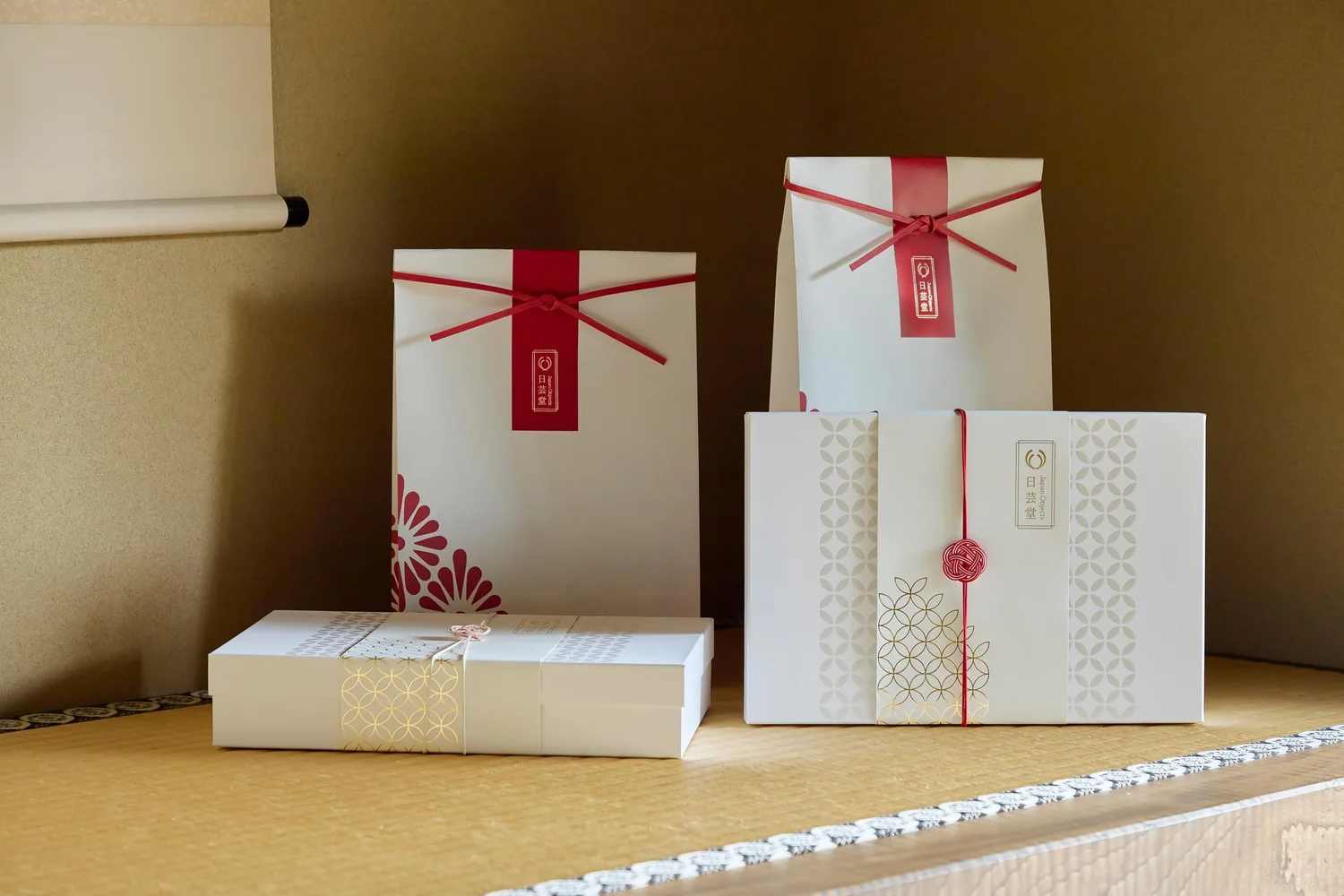
For Japan Objects, I designed a packaging family for products ranging from art prints to hand-sewn kimono jackets. Gift boxes, folded paper bags and smaller printed details work together, with uncoated-paper obi belts and mizuhiki cords adding character.
When preparing an order, I would want those elements recorded separately. The box, the wrap and the fastening have different jobs. Looking at the complete set helps us decide which details carry the identity, what protects the product and what needs a closer conversation with the supplier.
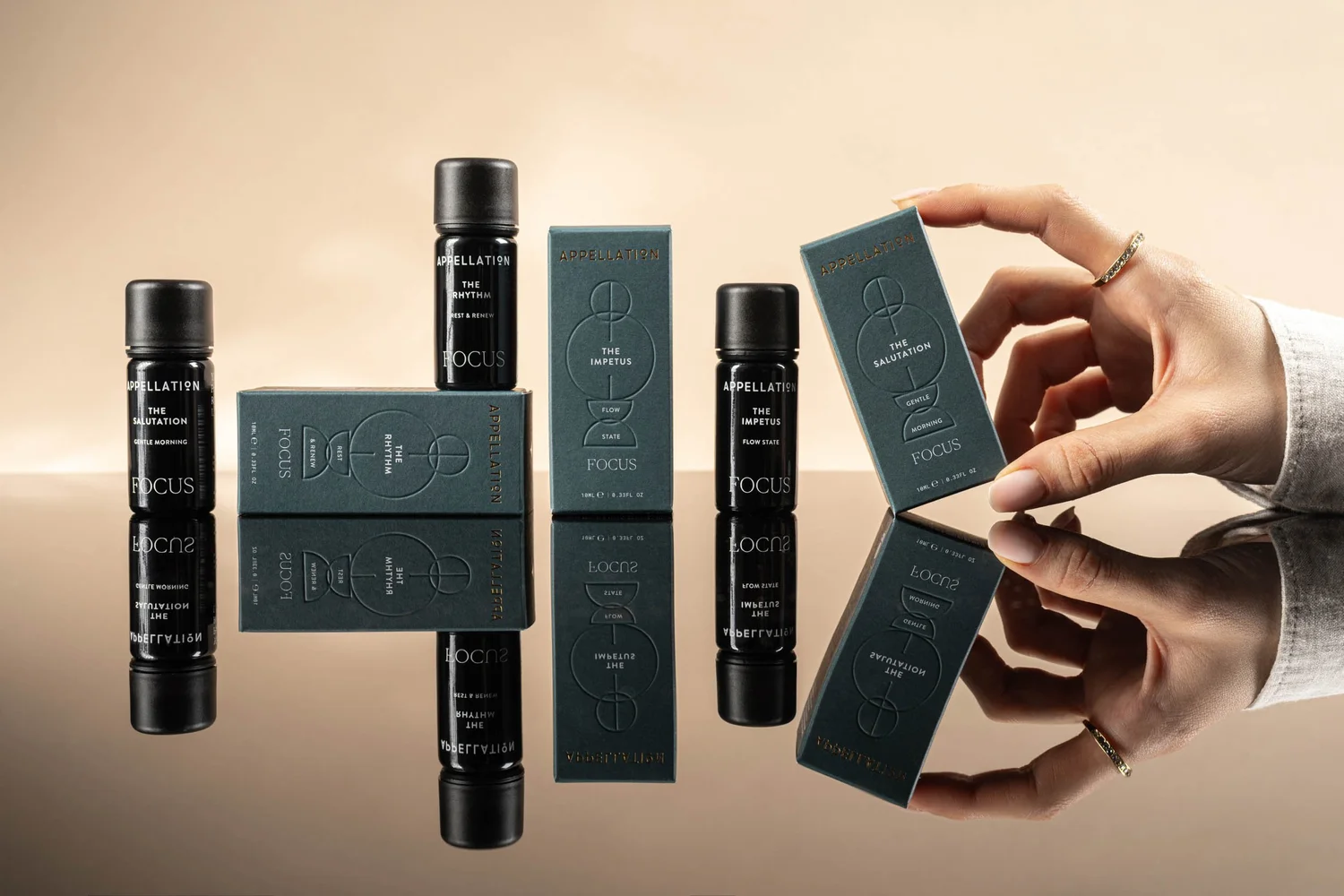
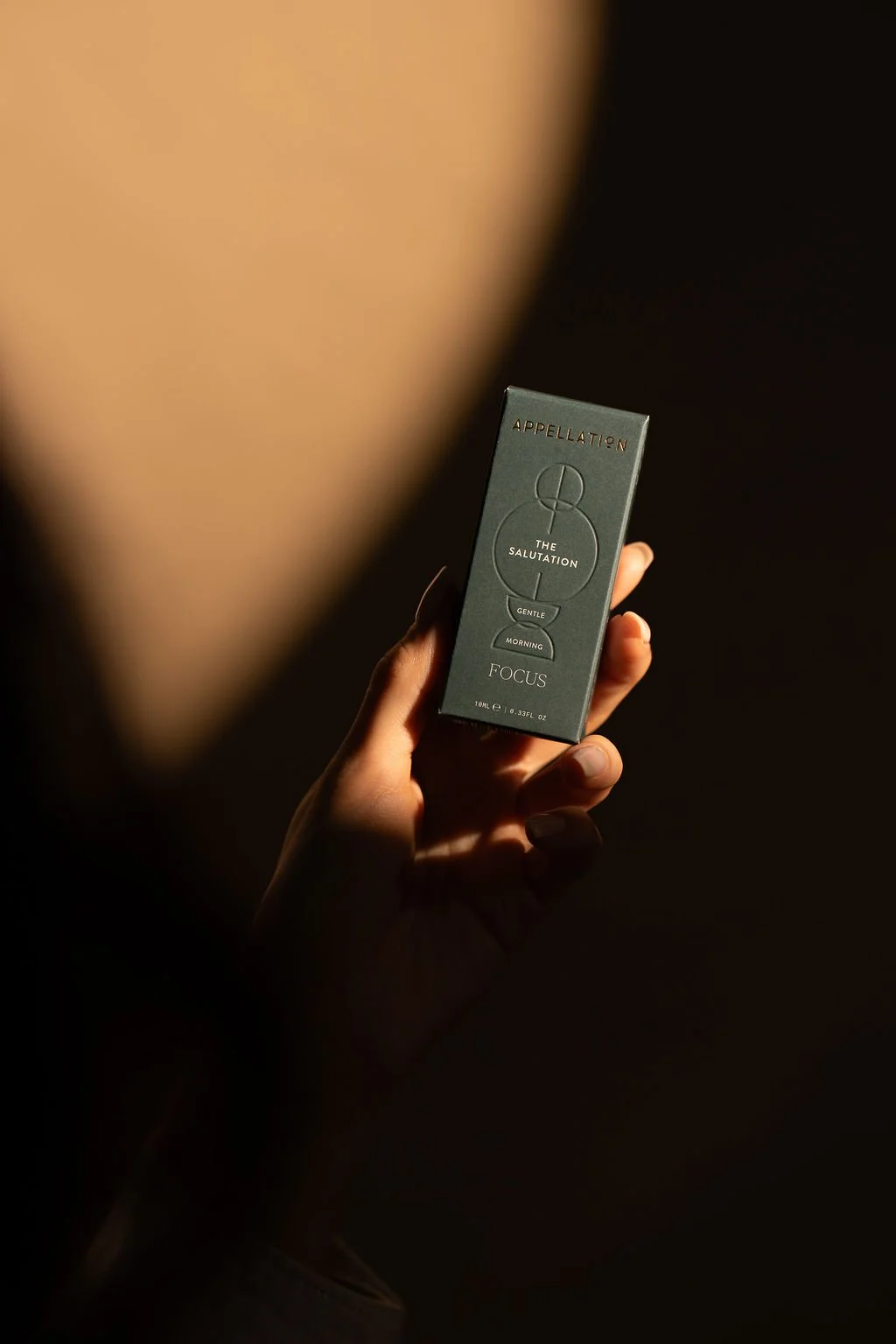
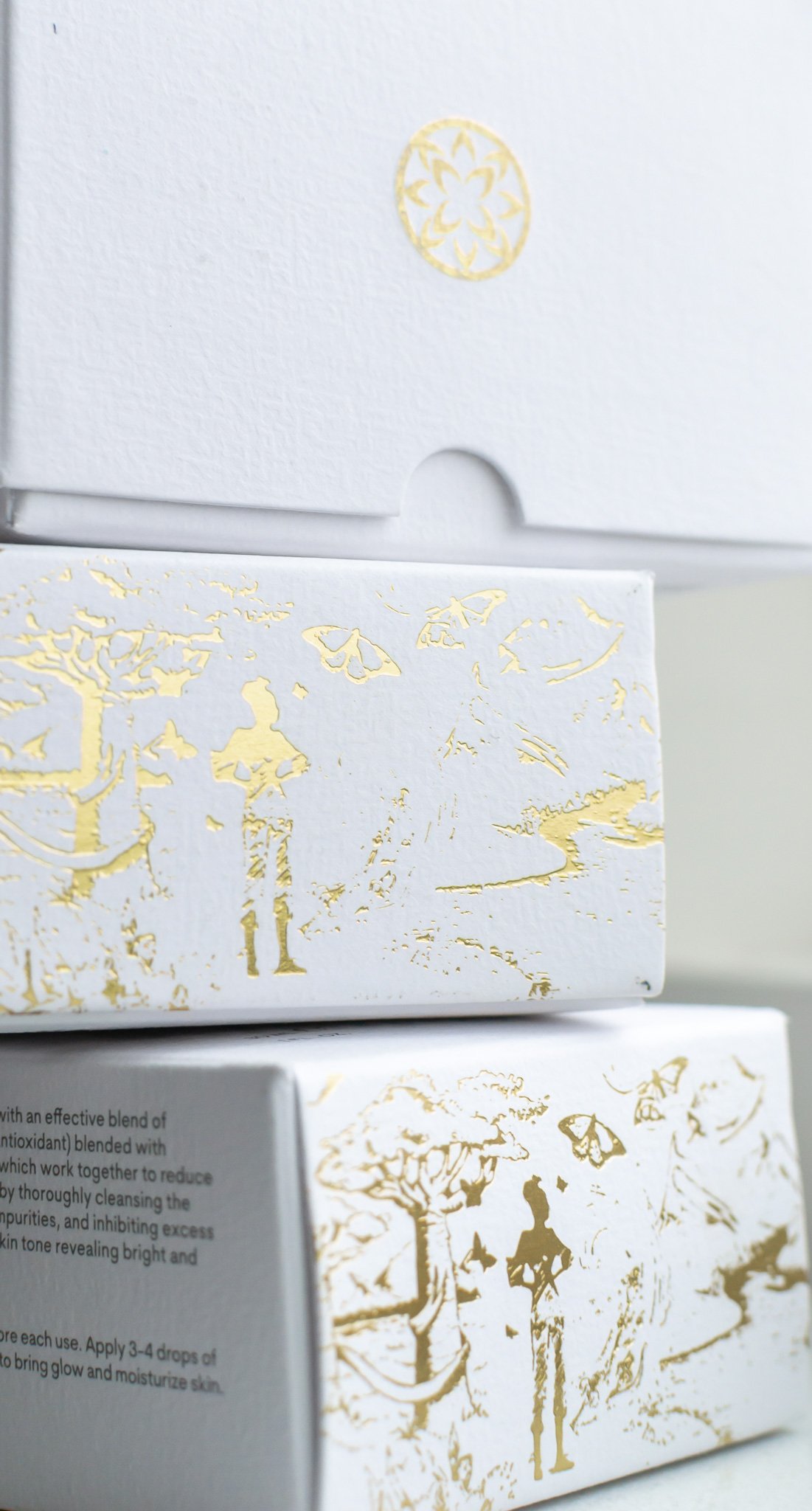
For Appellation, the identity connects directly printed glass bottles with cartons, motifs and tactile details. The white typography is silk-printed onto the biophotonic glass, while the cartons use uncoated, recycled paper with foil and debossed details.
As a designer, I see a connected visual language. I also need to understand how each part is made. The bottle specification will not tell us everything about the closure. The name of the paper will not describe every finish applied to the carton.
I would ask for a component list recording materials, weights, dimensions and relevant decoration or coatings. If the supplier proposes an alternative board, adhesive or closure, I want that change to be visible before production. A small substitution can create a new question for the pack’s performance or documentation.
I would ask what supports the word “recyclable”
When someone describes a pack as recyclable, I want to understand the finished construction they are referring to. Does the information cover the container and its decoration? What about the closure, label adhesive, window or other attached parts? Is the evidence for the actual specification we plan to order?
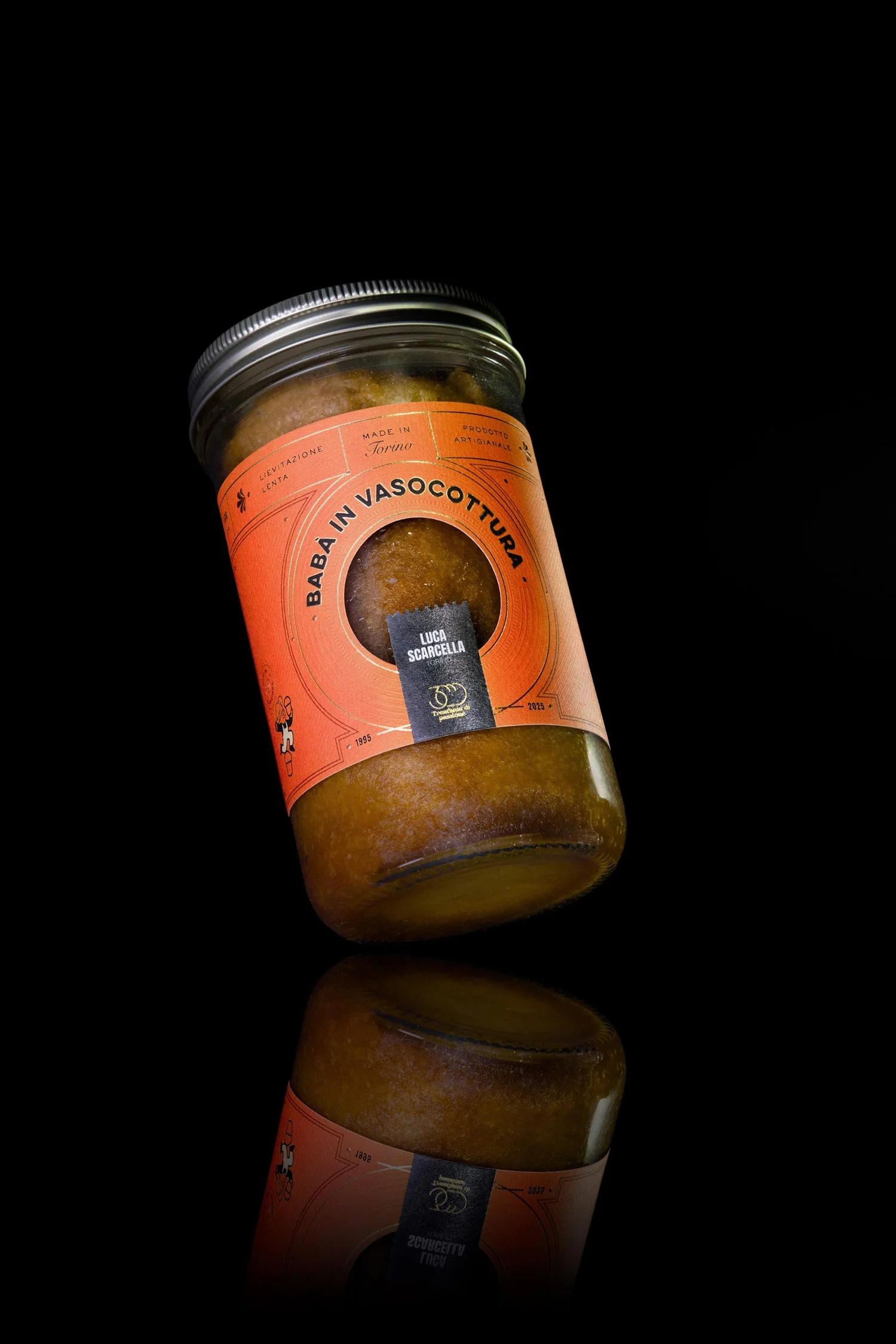
For a food example, my Babà in Vasocottura label for Luca Scarcella, created through Insuperlabel 2025, combines cotton paper, copper foil and embossing. Those details belong in the specification alongside the adhesive and the container the label is applied to. I would ask the printer and the people responsible for the finished pack which evidence covers that exact combination.
With OKOKO Cosmétiques, the redesign moved the typography directly onto the containers and used cartons made from 100% post-consumer waste material. The embossed and gold details remain part of the visual identity. Looking at the spray bottles, I would still want the mechanism described separately: its composition cannot be established from a photograph.
These examples span food, lifestyle, wellbeing and beauty. They show design decisions worth examining; they do not establish regulatory conformity. For the pack being ordered, the responsible operator needs evidence covering the requirements that apply to its particular materials, format and use.
Under PPWR, manufacturers’ duties include conformity assessment, technical documentation and an EU declaration of conformity for the requirements applicable when packaging is placed on the market. Suppliers must provide the information needed to support compliance. These responsibilities are set out in Articles 15–16 and 38–39 of the regulation. I would clarify who provides what before approving the production file.

I would put a date beside each requirement
This is one of the first things I would explain in a project meeting. “PPWR applies” is the beginning of the discussion. Each relevant requirement needs its own scope and timing. I would use the points below as an overview, then check the relevant packaging category, material, use and any exceptions.
Already applicable: the general recyclability requirement applies from 12 August 2026. The later harmonised design-for-recycling grades do not mean that recyclability can be ignored until 2030.
Future recycling grades: the initial Article 6 design-for-recycling grading requirements apply from 1 January 2030, or 24 months after the relevant delegated acts enter into force, whichever is later.
Packaging minimisation: Article 10’s requirements apply from 1 January 2030. Existing essential minimisation requirements continue during the transition, so this is already a sensible part of the brief.
Harmonised sorting labels: Article 12(1) provides for 12 August 2028, or 24 months after the relevant implementing acts enter into force, whichever is later. The Commission currently lists the labelling act as being prepared.
The dates and distinctions above come from the PPWR text, the Commission’s interpretation guidance and its implementation updates. I would recheck those sources when we approve artwork, especially for a format intended to stay in production for several years.
I would measure the actual packed order
Space inside a pack is easier to discuss with a sample on the table. I would want to see how the product sits, what keeps it in place and what happens when two products ship together. An insert may serve a real protective purpose; a large outer box may simply reflect the formats a business has always ordered.
The much-discussed 50% empty-space limit concerns grouped, transport and e-commerce packaging. It applies from 1 January 2030, or three years after the relevant methodology act enters into force, whichever is later. It is not a universal 50% rule for every individual retail pack. Article 24 separately addresses minimising empty space in sales packaging from 12 February 2028, while allowing necessary functionality and protection. See Article 24 on excessive packaging.
A ceramic cup sent by post may need a protective insert; a folded garment may need a different structure. A retail gift box and the outer shipping box also have different jobs. For your project, I would compare the measurements, try a suitable alternative structure and test the complete order. I would want to understand opening, assembly and protection together before settling on a smaller format.
I would look at what changes for a returning customer
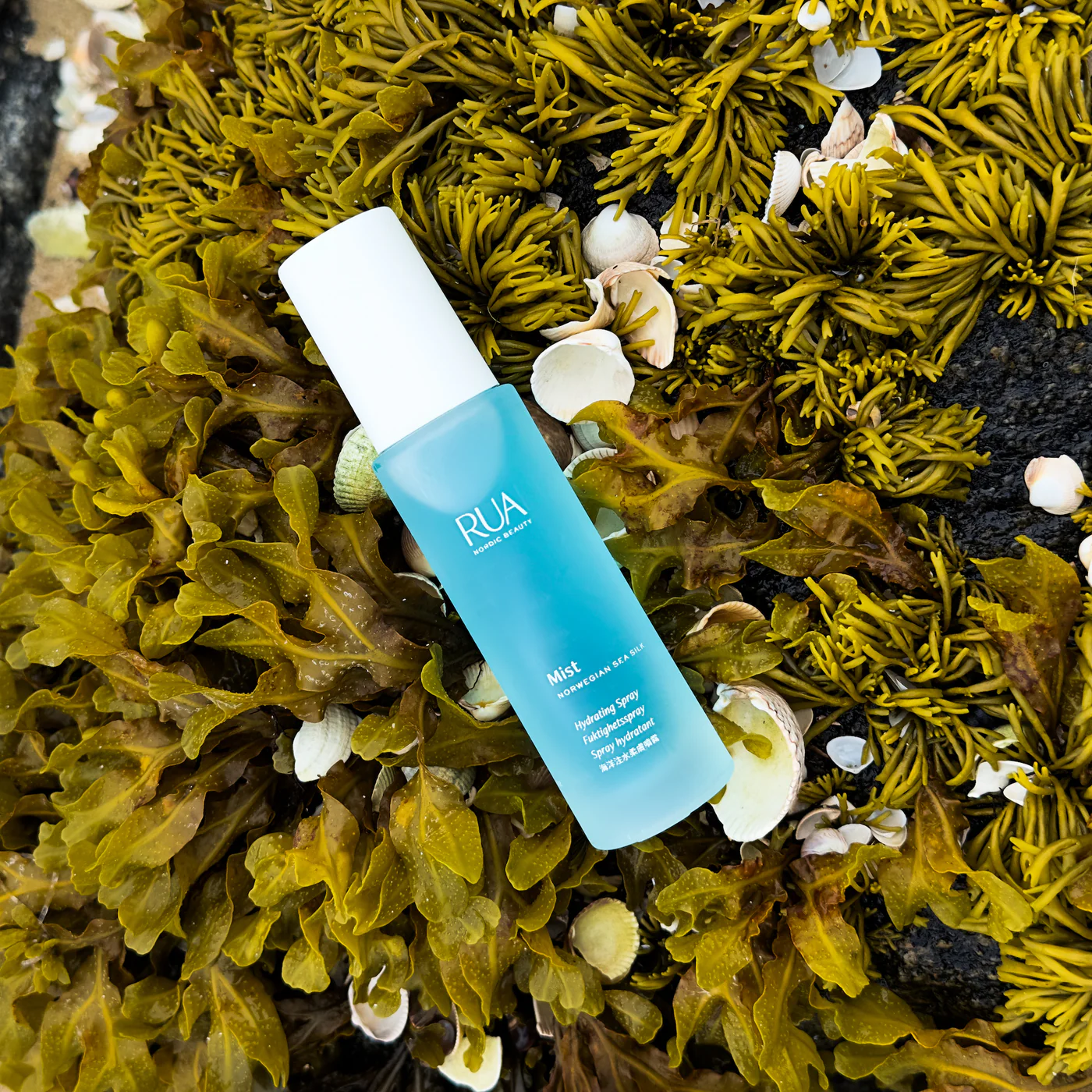
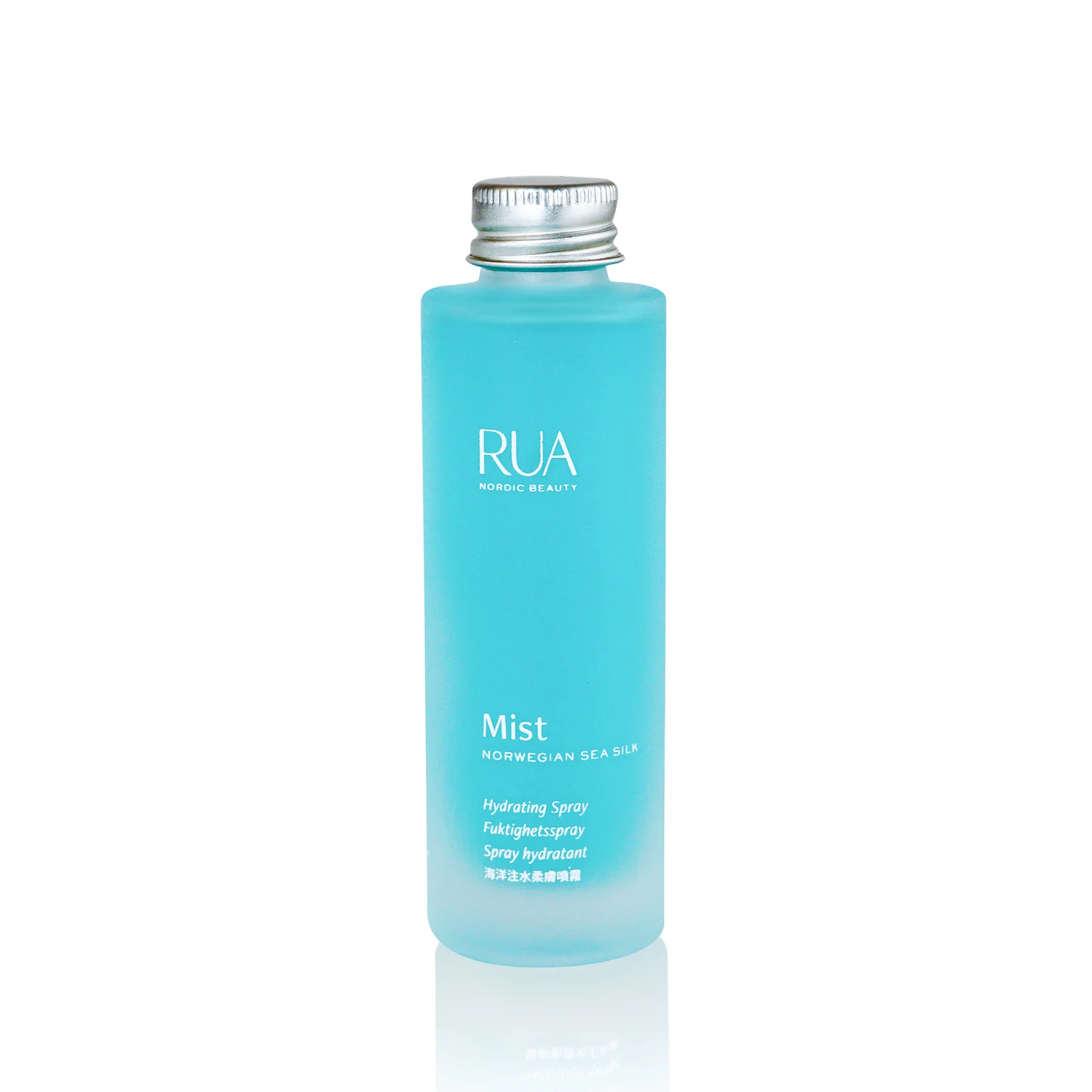
The two RUA Nordic Beauty Mist presentations below make this question visible. One bottle has a tall white cover; the refill uses a screw cap. They invite a practical conversation about which part the customer keeps and what needs to arrive with the next purchase.
I would want to map that experience all the way through. Is the refill easy to find? Is it clear which existing part is retained? Has compatibility been checked? Do the instructions help someone use the product correctly? A refill needs to make sense as a repeated action, as well as a packaging idea.
For another product, I would map a different repeat purchase. A home-fragrance refill or a reusable food container would raise its own questions about compatibility, cleaning, handling and instructions. I would explore those with the people responsible for product safety and the packaging system.
PPWR’s reuse requirements depend on the packaging category and use. I would not translate them into a blanket statement that every product needs to become refillable. We would establish the relevant requirements for your formats, then explore where a refill or reuse approach fits the product and business.
What I would want before the next order
I would bring these items into the conversation with you and your supplier:
A complete sample and component list: including the closure, decoration, protective parts and shipping materials.
The current specification: materials, weights, dimensions, finishes and the evidence behind any recycled-content or recyclability statements.
Clear responsibilities: who confirms the applicable requirements, supplies technical evidence and holds or prepares the relevant conformity documentation.
A dated artwork check: intended markets, current national requirements and the latest EU implementation details.
A plan for changes: which alternatives need samples or tests, when the next order is due, and how supplier substitutions will be approved.
My role is to help those answers become a coherent packaging design: a structure that works, information that is readable and an identity that still feels like you. Regulatory responsibility, technical assessment and product compatibility also need the appropriate expertise around the table.
For a closer look at one sector, I have also updated my guide to EU packaging rules for beauty and cosmetic brands. For more about the way I connect a brand story to a physical object, read where a packaging idea really begins.
Whether you are developing a food or drink brand, a home or lifestyle product, or a beauty range, a packaging order is a useful moment to review how the whole system works. If an order or redesign is coming up, explore my branding and packaging design services and tell me about your product and timeline. I would love to understand what you are making and which decisions you are facing.
Official sources
Regulation (EU) 2025/40, particularly Articles 3, 6, 10, 12, 15–16, 24, 29, 38–39 and 70.
European Commission guidance on PPWR, including operator responsibilities and recyclability.
European Commission implementation updates, with current work on implementing measures.
European Commission PPWR FAQs, published 3 August 2026, for further questions.
This article shares a designer’s approach to packaging decisions and is not a legal conformity assessment. Check the requirements for your packaging, business role and markets with your regulatory adviser and suppliers.